How Should I Store Champagne at Home Before Guests Arrive?
Good Champagne service starts well before the cork comes out. A bottle can be perfectly sound and still disappoint if it has spent the afternoon beside a sunny window, rattled around in a busy kitchen, or been chilled until its aromas disappear. The good news: you do not need a wine cellar or elaborate equipment. A cool, dark, steady spot, a little planning, and a calm opening technique will take you a long way.
Whether you are welcoming friends for a casual supper or setting the table for a special occasion, think through four things: which bottle suits the gathering, where it will rest, when to chill it, and how you will open it safely. These details matter more than a dramatic foil flourish—and make it easier to enjoy the wine with your guests.
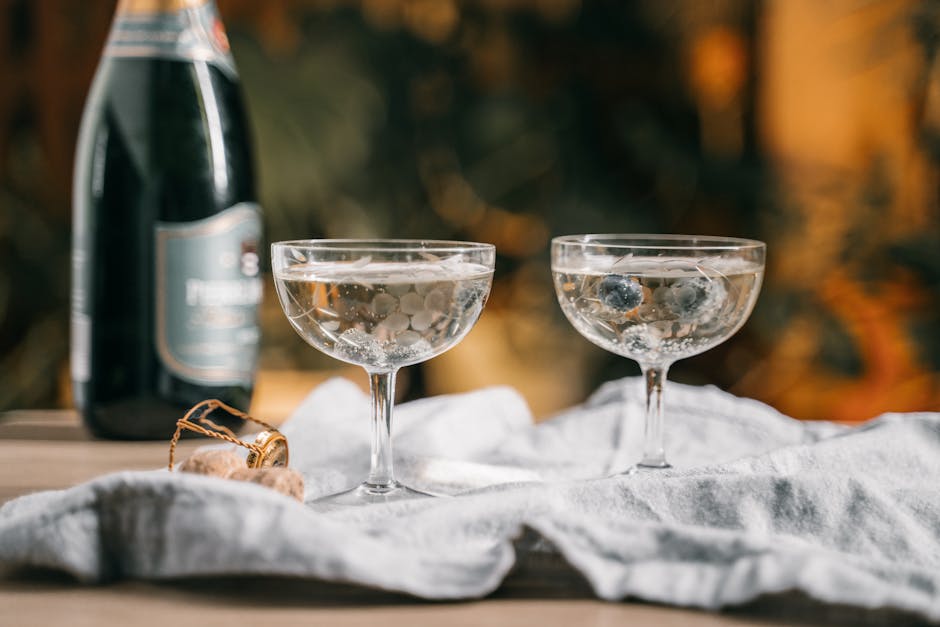
Choose a Bottle That Suits the Occasion
Start with the mood and menu, not the label alone. A crisp, non-vintage Brut is a versatile choice for an aperitif and works comfortably with salty snacks, seafood, and many light starters. Rosé Champagne can feel celebratory while pairing well with salmon, charcuterie, or berry-accented desserts. A richer style may be a better fit for roast chicken, creamy dishes, or a meal with deeper flavors. For a toast, choose something your guests will enjoy drinking on its own rather than a bottle selected only for the moment it appears.
Vintage and prestige cuvées can bring extra complexity to a dinner, but the occasion need not dictate a particular price point. No prices were provided in the salonprivemag scraped content, so this guide makes no claims about bottle costs. Choose based on the style you like, the food you are serving, and the experience you want to create. If you are considering a familiar house such as Laurent-Perrier, check the specific bottle’s style and serving guidance rather than assuming every Champagne should be treated identically.
For a gathering with several preferences, one dependable Brut is often a practical starting point. If you have room for two bottles, consider contrasting styles—for example, a classic Brut alongside a rosé—so guests can choose. Buy from a reputable retailer, avoid bottles that have been displayed in strong light or near heat, and transport them home gently.

Where to Store Champagne at Home
If the bottle is waiting for a few days or weeks, the goal is a stable environment rather than an improvised refrigerator residency. Ideally, store Champagne in a cool, dark place with consistent conditions. A temperature around 10 to 15 C is a useful target for holding bottles at home before service, provided the spot stays relatively steady and is not exposed to heat. A dedicated wine cabinet is convenient, but a dark interior cupboard or other quiet, cool space can work for short-term storage if your home is not too warm.
Keep the bottle away from radiators, ovens, sunny windows, and the top of a refrigerator, where heat and temperature swings can be greater. The same goes for a cupboard beside an appliance that runs hot. A location that feels cool and stable is preferable to one that is merely out of sight.
Keep Champagne Away from Light
Light, especially strong sunlight, is not a bottle’s friend. Keep champagne away from light by choosing a closed cupboard, wine cabinet, or shaded storage area. Champagne is often sold in dark bottles, but that is not a reason to leave it on a bright counter. If a bottle must wait in a lit room for a short time, tuck it in its box or place it in a dark corner, away from direct sun.
Avoid Vibrations in Wine Storage
For steady, quiet wine storage, avoid vibrations wine storage can introduce: repeated movement from a washing machine, a speaker, a busy appliance, or a frequently opened shelf is less desirable than a calm cupboard. Do not keep bottles on top of a refrigerator or beside equipment that shudders or cycles often. Champagne is not so delicate that one trip across town will ruin it, but there is no advantage to storing it where it is constantly disturbed.
For most bottles you plan to serve soon, you do not need to worry about elaborate long-term cellar positioning. Put the bottle somewhere it will not be knocked over, keep it away from light and heat, and leave it undisturbed until chilling time. If you are storing Champagne for an extended period, follow the producer’s recommendations and use a properly controlled wine-storage environment rather than relying on a cupboard with large seasonal temperature changes.
Situation Practical choice What to avoid Serving later today Keep the bottle in a cool, shaded place, then chill it ahead of serving. Leaving it on a sunny counter or beside a warm oven. Serving in the next few days Use a stable, dark cupboard or suitable wine-storage area. Repeatedly moving the bottle or storing it by a vibrating appliance. Ready to pour Use a refrigerator or an ice bucket to bring it to serving temperature. Guessing by touch or chilling it until it is nearly numbingly cold.Plan Chilling Time and Serving Temperature
For most non-vintage Champagne, a serving temperature of about 8 to 10°C (46 to 50°F) is a useful range. A slightly fuller or more mature bottle may show better closer to the upper end, while a light, crisp Brut is often lovely toward the cooler end. Personal preference matters, but very cold Champagne can conceal its aroma and texture. If it tastes muted straight from the refrigerator, give it a few minutes in the glass rather than dismissing the bottle.
A refrigerator is an easy way to chill a bottle when you plan ahead. Place it inside for roughly three hours before guests arrive, adjusting for your refrigerator and starting temperature. Avoid putting the bottle in the freezer as a shortcut: it is easy to forget, and a bottle that freezes can create a mess or, in some circumstances, break. If time is short, use an ice bucket filled with a mixture of ice and water. Water makes contact with more of the bottle than ice alone, helping it chill more evenly; allow about 20 to 30 minutes, then check the temperature if you have a wine thermometer.
Temperature accuracy is about serving consistently, not performing a laboratory test at the table. If you have a thermometer, use it once as the bottle nears its target. Without one, pay attention to the method and timing: a few hours in the refrigerator or a properly filled ice bucket is more reliable than judging by how cold the glass feels. Keep the bottle chilled between pours if dinner runs long, and return it to the bucket rather than leaving it in a warm room.
Refrigerator or Ice Bucket?
Use the refrigerator for advance chilling and the ice bucket for holding the bottle cold during service. A refrigerator is convenient, but the bottle can warm once it is on the table. An ice bucket is especially useful outdoors or during a long meal; put the bottle in a mix of ice and water, and keep the neck accessible so it is easy to pour. A clean tea towel nearby helps catch condensation without fuss.
If the refrigerator is crowded, do not wedge the bottle where it can be knocked over every time someone reaches for a dish. Make a little room in advance. And do not store Champagne permanently in a standard refrigerator: it is generally colder and less stable than a suitable wine-storage space, and the air can be dry over time. For a bottle you are serving soon, however, the refrigerator is a practical chilling tool.
Open the Bottle Safely—and Quietly
The safest opening is controlled and nearly silent. A loud pop may look festive in a film, but it wastes pressure, risks sending the cork flying, and can spill precious wine. Before opening, remove the bottle from the bucket and dry it so you have a secure grip. Keep it pointed away from people, lamps, windows, and anything breakable. Never aim the cork toward a guest, even as a joke.
- Remove the foil carefully. Keep one hand over the cork while you loosen the foil and expose the wire cage.
- Keep a thumb on the cork. Untwist the wire cage, but do not remove it until you are ready. Maintain pressure over the cork throughout.
- Angle the bottle safely. Hold it at about 45 degrees, pointed away from everyone. Grip the cork firmly with one hand and the bottle’s base with the other.
- Turn the bottle, not the cork. Slowly rotate the bottle while holding the cork steady. Let the pressure ease the cork out gradually; aim for a soft sigh rather than a bang.
- Pour with care. Hold the bottle by its base or body, pour a small amount into each glass, then top them up. This helps manage the mousse and gives the wine a moment to settle.
Keep your hand on the cork until it is fully controlled. If it feels stubborn, do not point the bottle upward or tug sharply. A dry towel can improve your grip. Take your time; quiet opening is both safer and more elegant.
Small Hosting Details That Make a Difference
Set out glasses before you bring the bottle to the table. A tulip-shaped glass gives Champagne room to release its aromas while retaining bubbles; a standard white-wine glass can also work well. A very narrow flute can keep the bubbles visible but may limit what you smell. Chill glasses only lightly if you wish—freezing them is unnecessary and can make the wine taste colder than intended.
Think about the first pour, too. If you are greeting guests at the door, have the bottle chilled and the bucket ready before the first arrival. If dinner is the focus, keep the bottle stored quietly until it is time to serve. A small amount of planning prevents last-minute rummaging through a full refrigerator or a rushed, overenthusiastic opening.
For entertaining inspiration, Pinterest can be useful for collecting table-setting ideas or simple Champagne-pairing menus, while Facebook may help you coordinate arrival times and dietary preferences with guests. Let those tools help with the planning; the bottle itself needs a cool, dark, steady place, not a complicated ritual.
A Simple Champagne Storage Checklist
- Choose a style that suits the occasion and food, rather than selecting by label alone.
- For short-term holding, aim for stable conditions around 10 to 15 C when possible.
- Keep champagne away from light, heat, and locations with frequent temperature swings.
- Avoid vibrations wine storage can pick up from busy appliances or constant movement.
- Chill in the refrigerator ahead of time, or use an ice-and-water bucket when you need a faster option.
- Serve most non-vintage Champagne around 8 to 10°C (46 to 50°F), adjusting to style and preference.
- Open with the bottle pointed away from people and ease the cork out slowly for a quiet sigh.
The best Champagne service feels effortless because the small choices have already been made: the bottle is right for the occasion, the temperature is considered, and the cork is handled with care. Store it in a cool, dark, steady spot while you prepare, chill it close to serving time, and let the wine do the welcoming once your guests arrive.